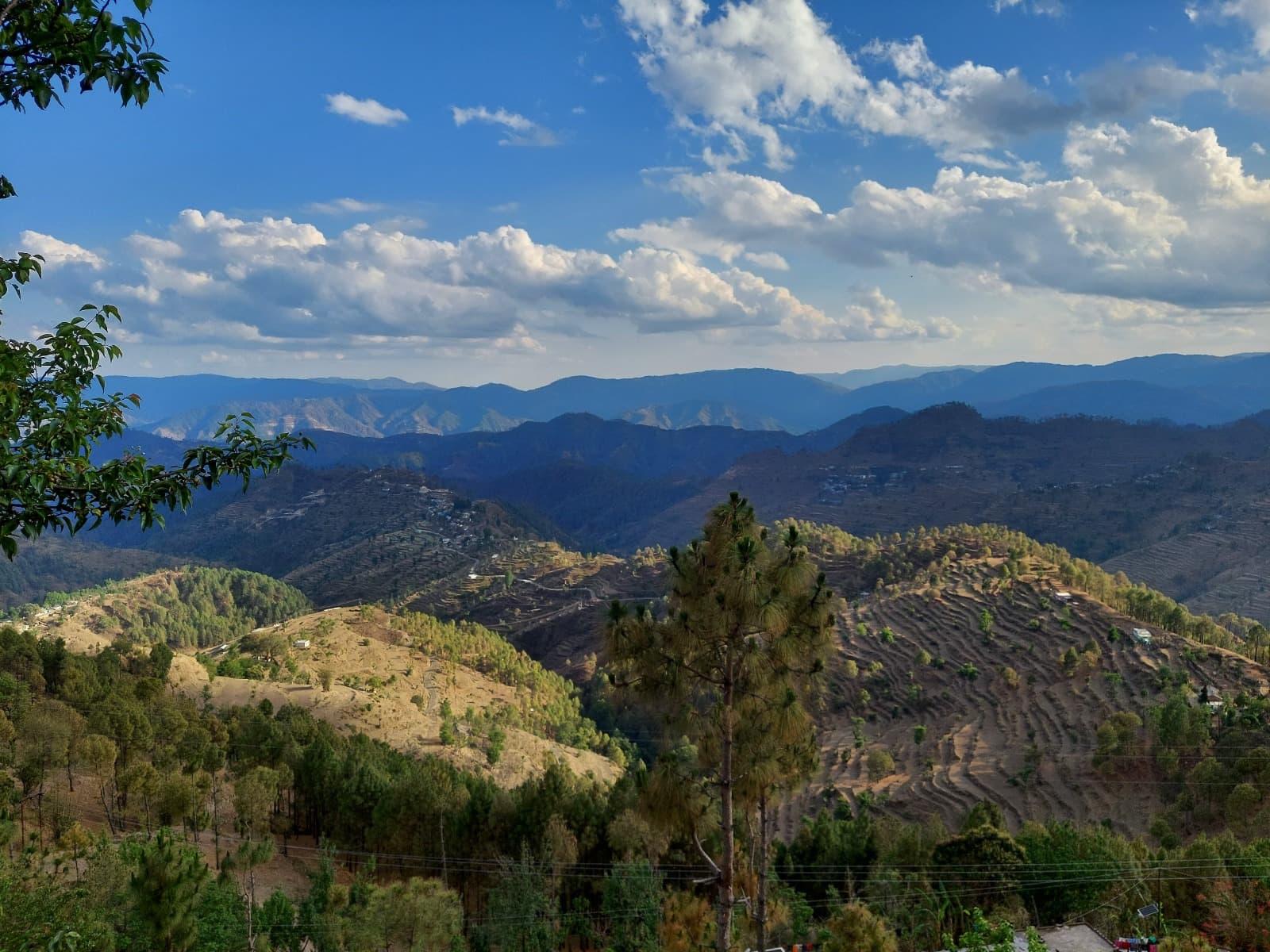
Jim Corbett National Park remains India's oldest and most iconic wildlife destination, a status that continues to grow as we move into the 2026 season. Spanning over 520 square kilometers of dense Sal forests, vast grasslands, and riverbeds, the park is the birthplace of Project Tiger and a sanctuary for nature seekers. For travelers in 2026, the secret to a successful wildlife encounter lies in choosing the right safari zone. The park is divided into eight distinct gateways, each with its own unique ecosystem and varying probabilities for wildlife sightings.
Search trends indicate that the Dhikala and Bijrani zones remain the VIP lounges for Royal Bengal Tiger sightings. Dhikala is the most popular core zone and is unique because it is the only area that allows overnight stays inside the forest rest house, offering a truly immersive wild drama where you can hear the sounds of the jungle after dark. This zone is open from November 15 to June 15 and is famous for its large grasslands or Chaurs. Bijrani is preferred by day visitors for its rich biodiversity and scenic landscapes, often considered the best spot for those chasing that perfect tiger selfie.
The biggest highlight for 2026 is the return of elephant safaris after a long hiatus. Now operating in the Dhikala and Bijrani zones, these safaris offer a more relaxed and immersive pace to connect with the jungle ecosystem. Unlike the rumble of a jeep, elephant-back safaris allow for a quiet approach, often leading to closer views of wildlife in their natural habitat. For birdwatchers and those seeking a quieter experience, the Sitabani and Durga Devi zones are the real MVPs. Sitabani, a buffer zone, hosts over 600 bird species and is famous for its dense forests and mythological significance as the place where Devi Sita entered the lap of Mother Earth.
When planning your 2026 trip, it is vital to book your safari permits at least 45 days in advance, as core zones like Dhikala sell out almost instantly. Beyond the jungle safaris, visitors can explore the Corbett Waterfall and the Garjia Devi Temple, which is perched on a massive rock in the middle of the Kosi River. The winter months from November to February offer the most pleasant weather for birdwatching, while the summer months of March to June provide the highest chances of spotting tigers near the river channels as they come out to quench their thirst.
Where the mountains whisper stories, travel with Kurmanchal.