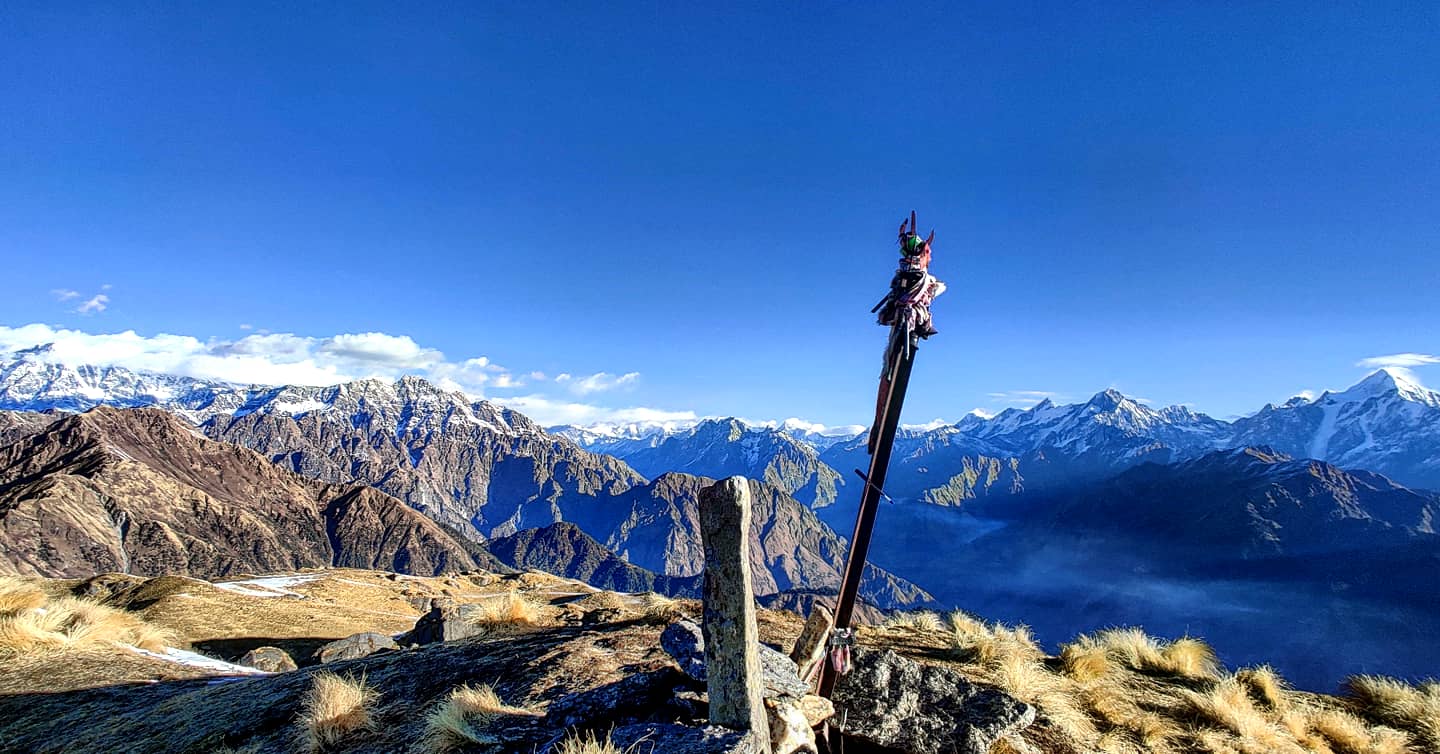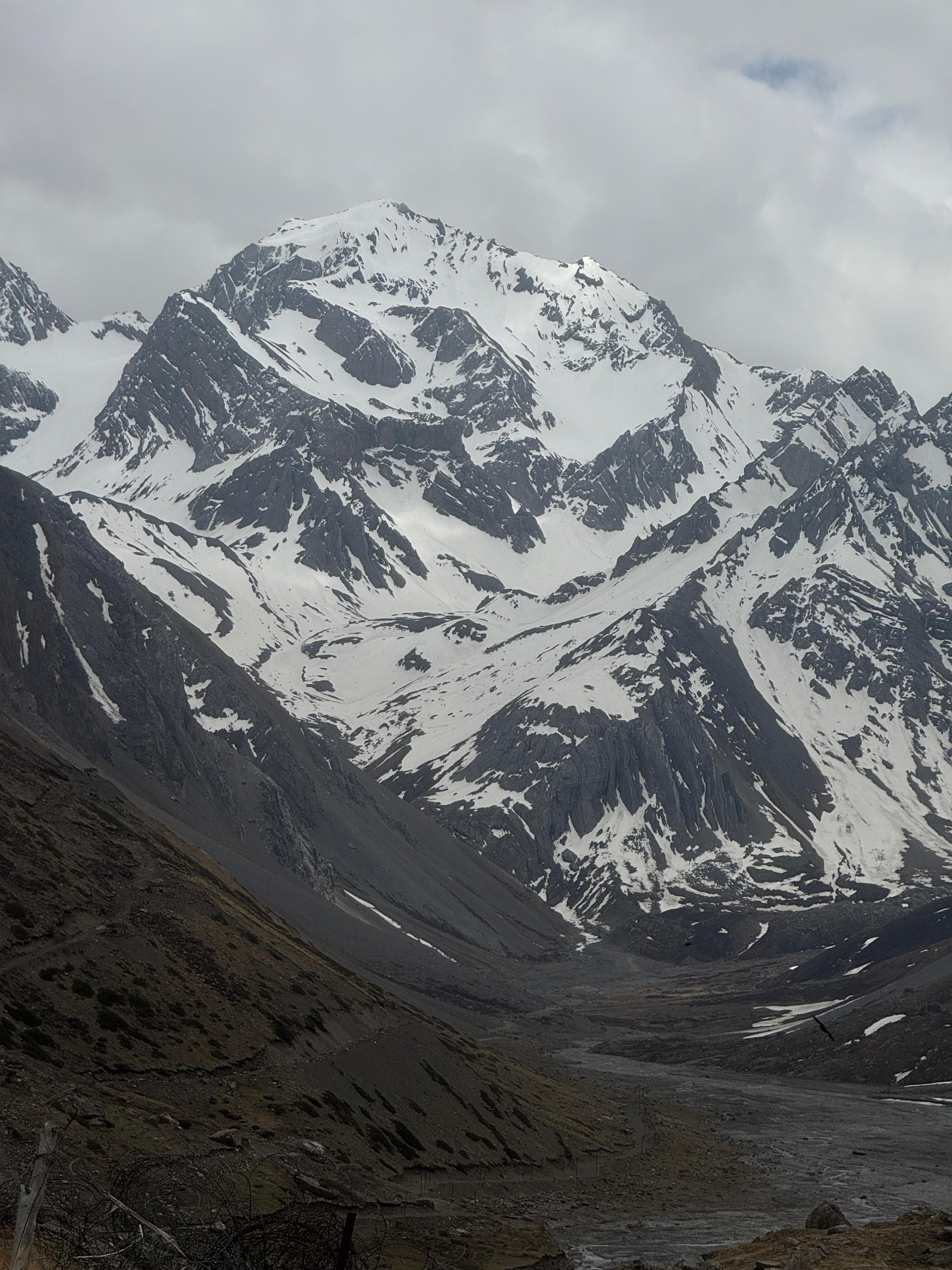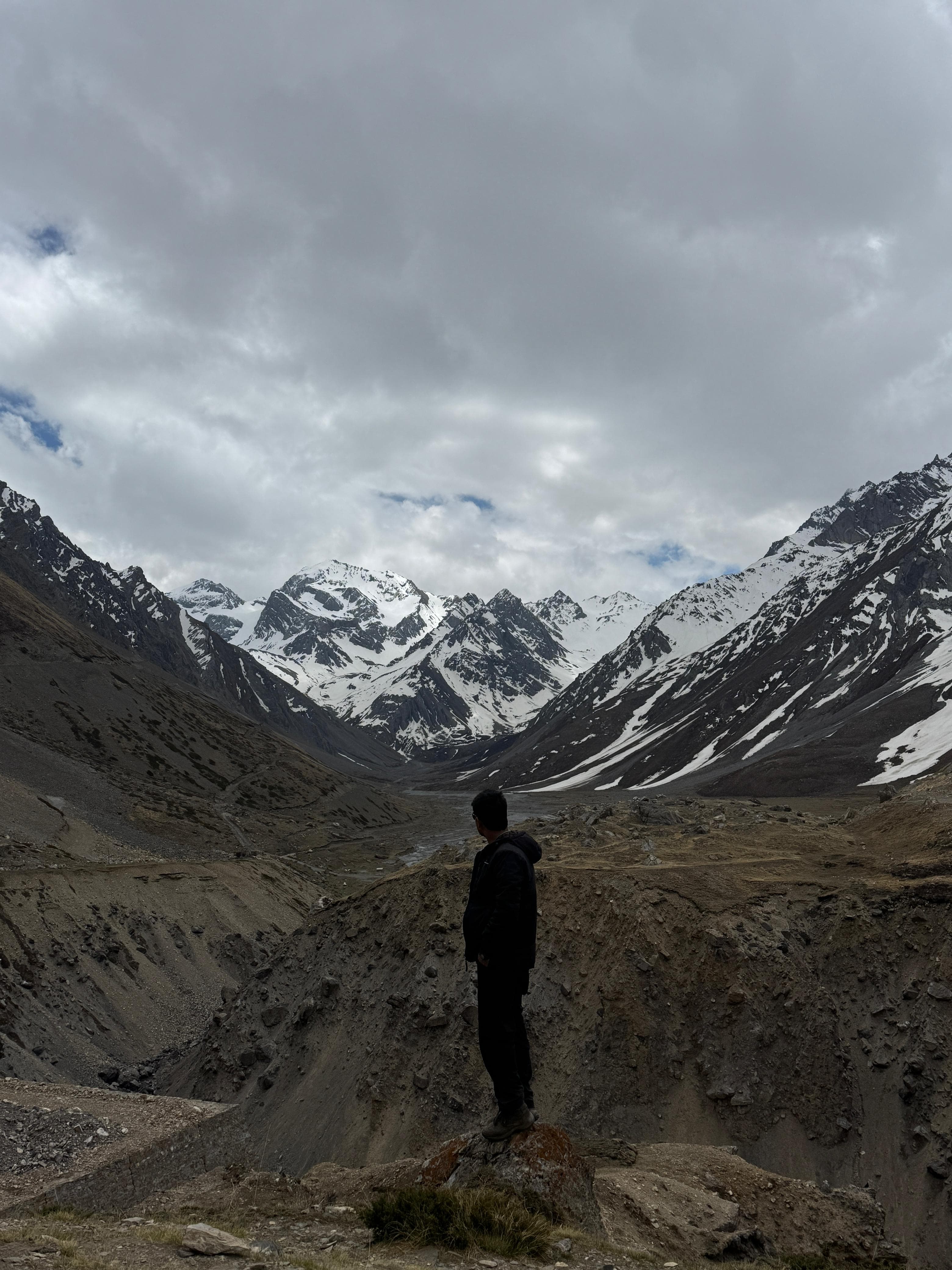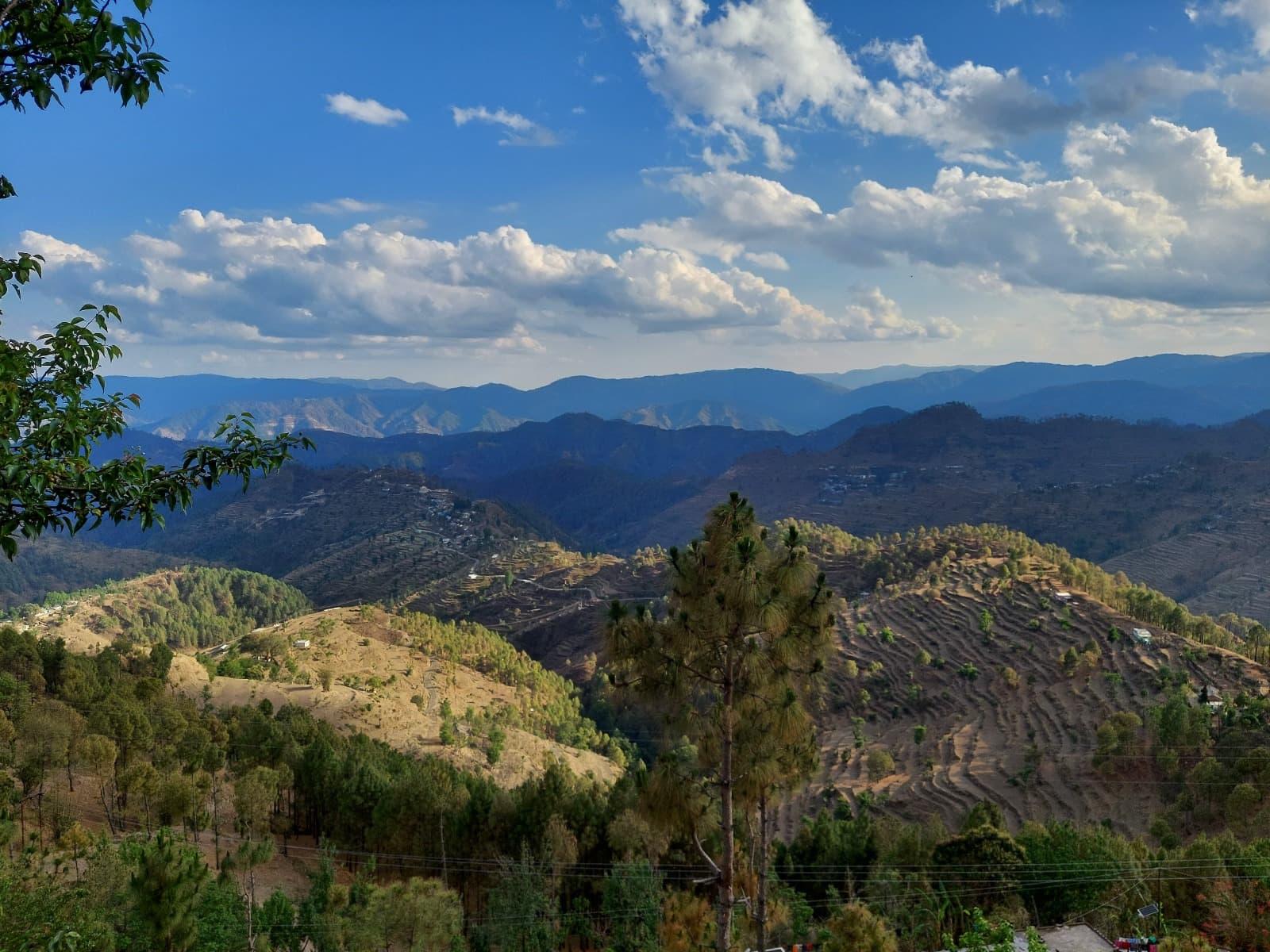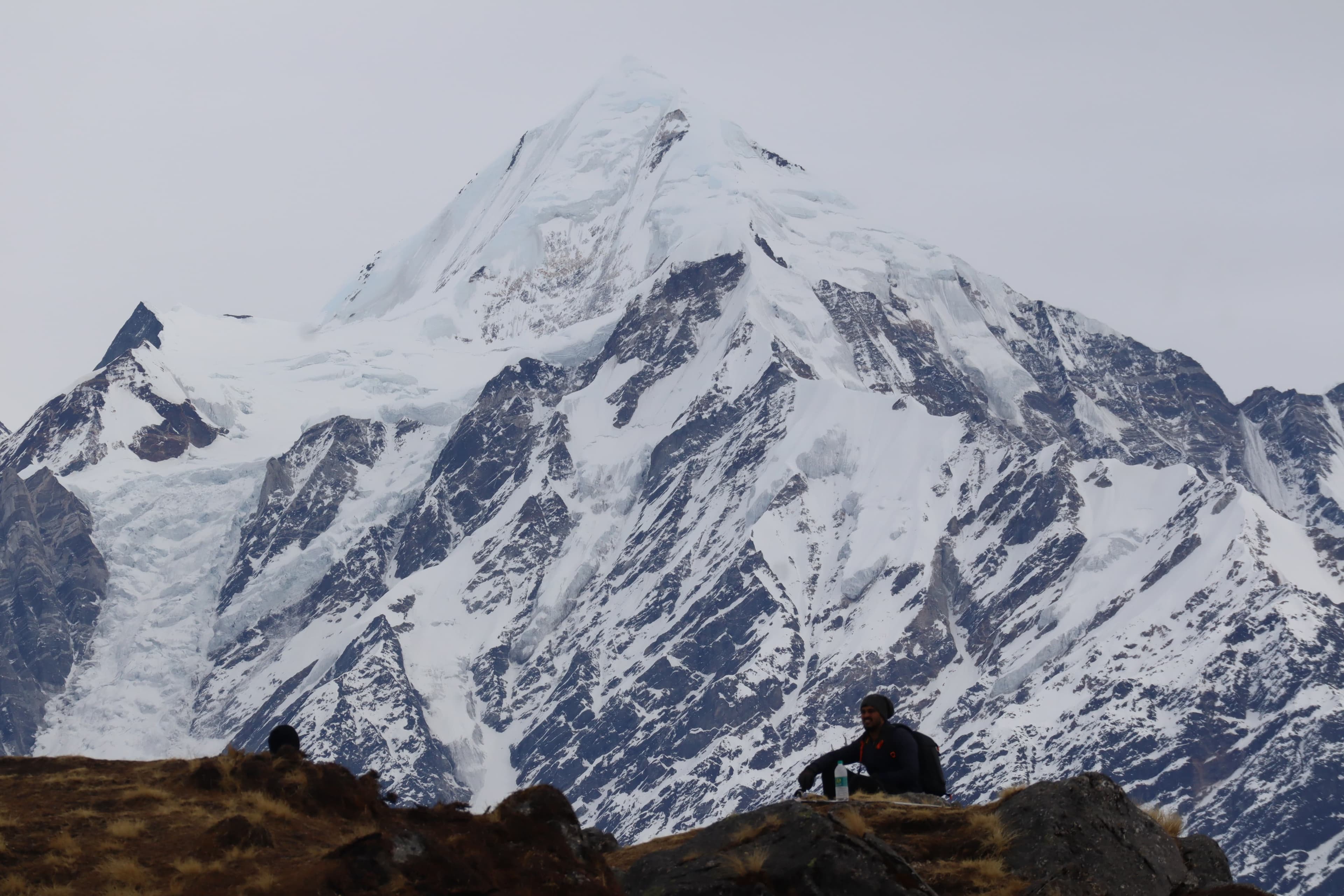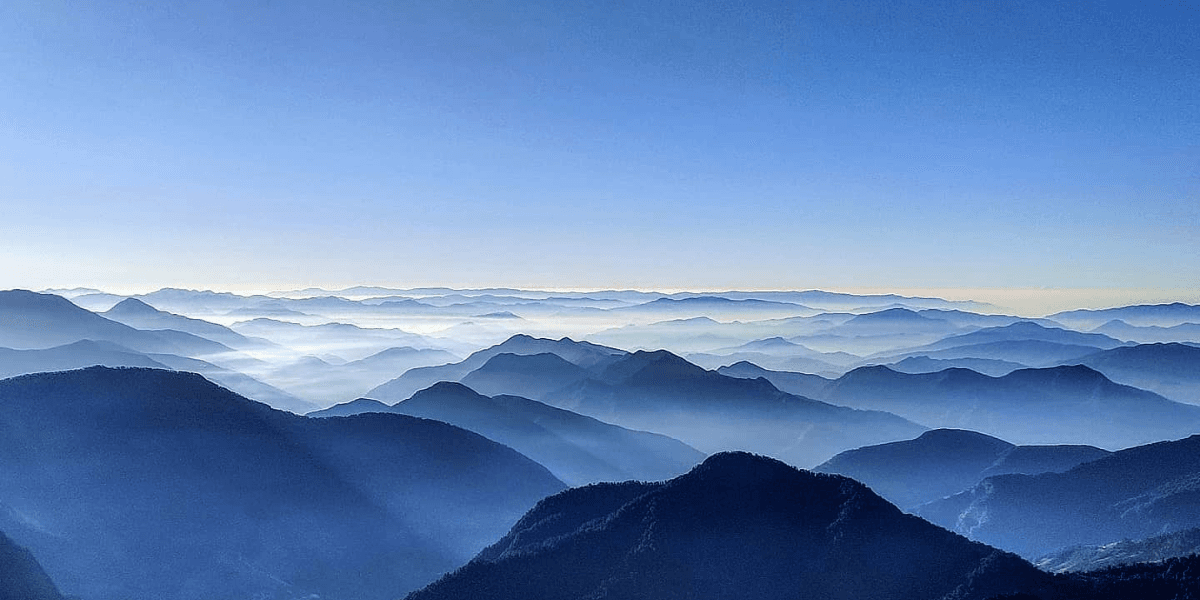
The global travel landscape has undergone a monumental shift for the 2026 season. In a surprising turn that has captured the attention of the international tourism industry, the Indian Himalayas have officially been named the most sought-after destination for the year 2026 by American Express Travel. This ranking places our mystical mountain ranges ahead of global heavyweights like Las Vegas, Marrakech, and the Okinawa Islands. This is not just a win for regional pride: it is a clear indicator of a change in traveler psychology. Modern explorers are moving away from commercialized urban centers and overcrowded tourist traps toward what experts call transformative travel. This trend prioritizes journeys that offer a deep sense of renewal, raw authenticity, and a connection with nature that urban life simply cannot provide.
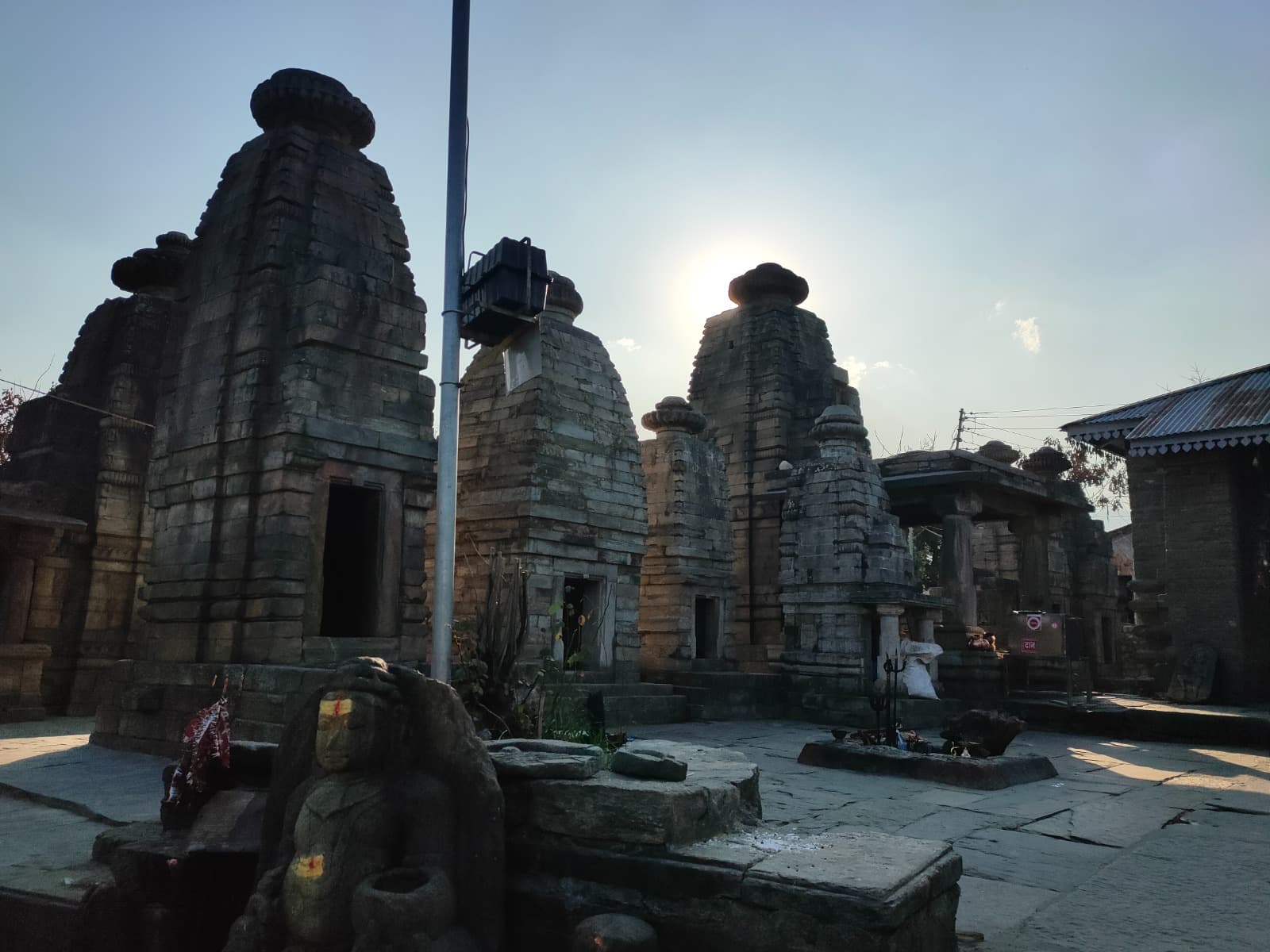
Uttarakhand, the spiritual and natural heart of the Indian Himalayas, is the primary driver behind this global surge. Search data indicates that travelers in 2026 are looking for the Altitude Shift: a move toward year-round alpine escapes where the primary goal is to find stillness. Whether it is the spiritual intensity of the Garhwal region or the lush, heritage-rich landscapes of Kumaon, the state offers a versatile appeal for every kind of seeker. Industry insights suggest that 2026 is the year of "made for me" travel, where itineraries are meticulously curated around personal passions such as high-altitude photography, wellness, and local folklore.
The American Express Travel list notes a strong appetite for places travelers have never seen before, aligning perfectly with the untamed and mystical appeal of Uttarakhand. Beyond the scenery, the cultural and spiritual resonance of the mountains provides a depth that is rarely found in traditional vacation spots. Towns like Rishikesh and Haridwar continue to draw pilgrims and wellness seekers, while the Valley of Flowers and Auli provide specialized hubs for nature enthusiasts and winter sports fans respectively.
As the world looks toward the Himalayas, the infrastructure is evolving to match. Significant progress has been made on the Rishikesh to Karnaprayag rail link project, which is designed to provide all-weather connectivity to the Garhwal Himalayas and strengthen access to the border regions. This 125 km broad gauge corridor is a technical marvel, with over 85 percent of the alignment consisting of tunnels constructed along the Alaknanda valley. Once completed, it will integrate several Garhwal districts into the national rail network, reducing travel time to key towns like Devprayag, Srinagar, and Rudraprayag.
However, the 2026 traveler values the raw beauty of the mountains and increasingly chooses high-end glamping or community-owned homestays over massive hotel chains. This shift toward sustainable tourism ensures that while the world discovers Devbhoomi, the ecological and spiritual sanctity of the region remains preserved. The modern traveler is no longer just looking for the greatest view but also the greatest values: asking if their stay is eco-friendly and if local people are profiting from their visit. It is time to trade the digital clutter of city life for the golden sunrises of the high peaks.
Kurmanchal: Turning detours into destinations.